(973) 828-0041Free estimates
Schedule Service
Level 1–3 inspections that catch problems while they’re still cheap to fix.
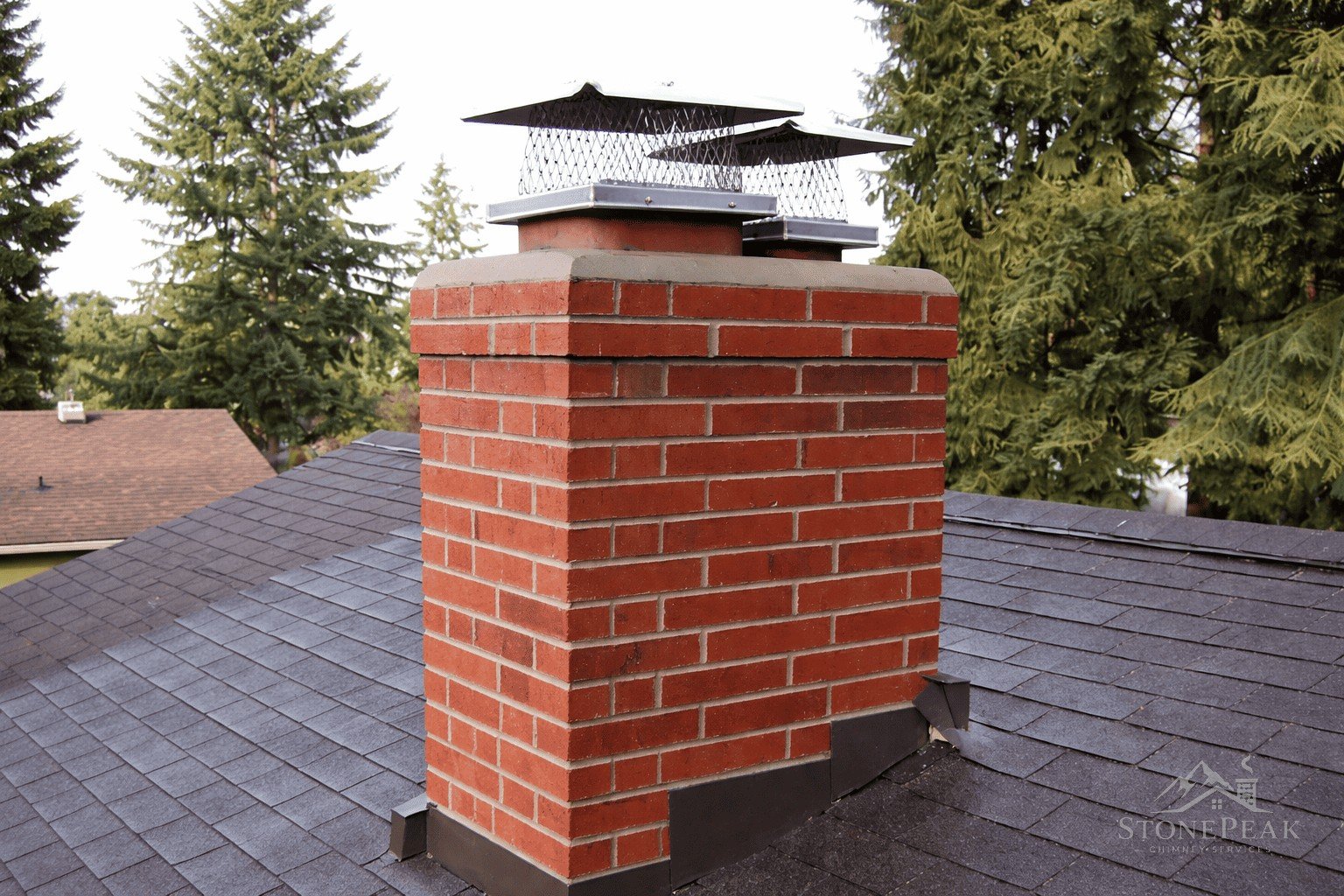
A chimney inspection is the single best way to catch a small problem, a hairline crack, a loose cap, a slightly deteriorated liner, before a New Jersey winter turns it into a bigger repair. We recommend one annually, alongside your sweep.
Inspections are grouped into three levels. A Level 1 inspection covers the readily accessible parts of the chimney and is appropriate for a system that’s been performing normally. A Level 2 adds a video scan of the interior flue and is typically called for when you’re buying or selling a home, after a chimney fire, or after a liner or appliance change. A Level 3 goes further and may involve removing chimney or wall components to inspect a suspected hidden hazard.
Cap, crown, flashing, and visible masonry get inspected from the roofline down.
Accessible interior components, including the damper and firebox, are checked for wear or damage.
A video camera runs the length of the flue to check the liner where a flashlight can’t reach.
You get a plain-language summary with photos, not just a pass/fail.
Level 1 inspections are priced the same across most homes since they cover the accessible parts of any system. A Level 2 costs more because of the camera equipment and time involved, but it’s usually the only way to actually see the inside of the flue.
If the chimney looks fine from outside, it’s fine.
FactMost serious problems — cracked liners, hidden creosote buildup, deteriorated mortar joints inside the flue — aren’t visible without a proper inspection.
New homes don’t need chimney inspections.
FactNewer factory-built chimneys and gas inserts still need periodic checks of venting, clearances, and connections.
A Level 1 covers most annual check-ups. We’ll recommend a Level 2 if you’re buying or selling the home, just had a liner replaced, or had a chimney fire.
You’ll get a written estimate for any recommended repair before we do the work — inspection and repair are always approved separately.
Yes, though many homeowners combine both in one visit since the flue is already accessible.