
(973) 828-0041Free estimates
Schedule Service
A breathable sealant that keeps water out without trapping moisture in.
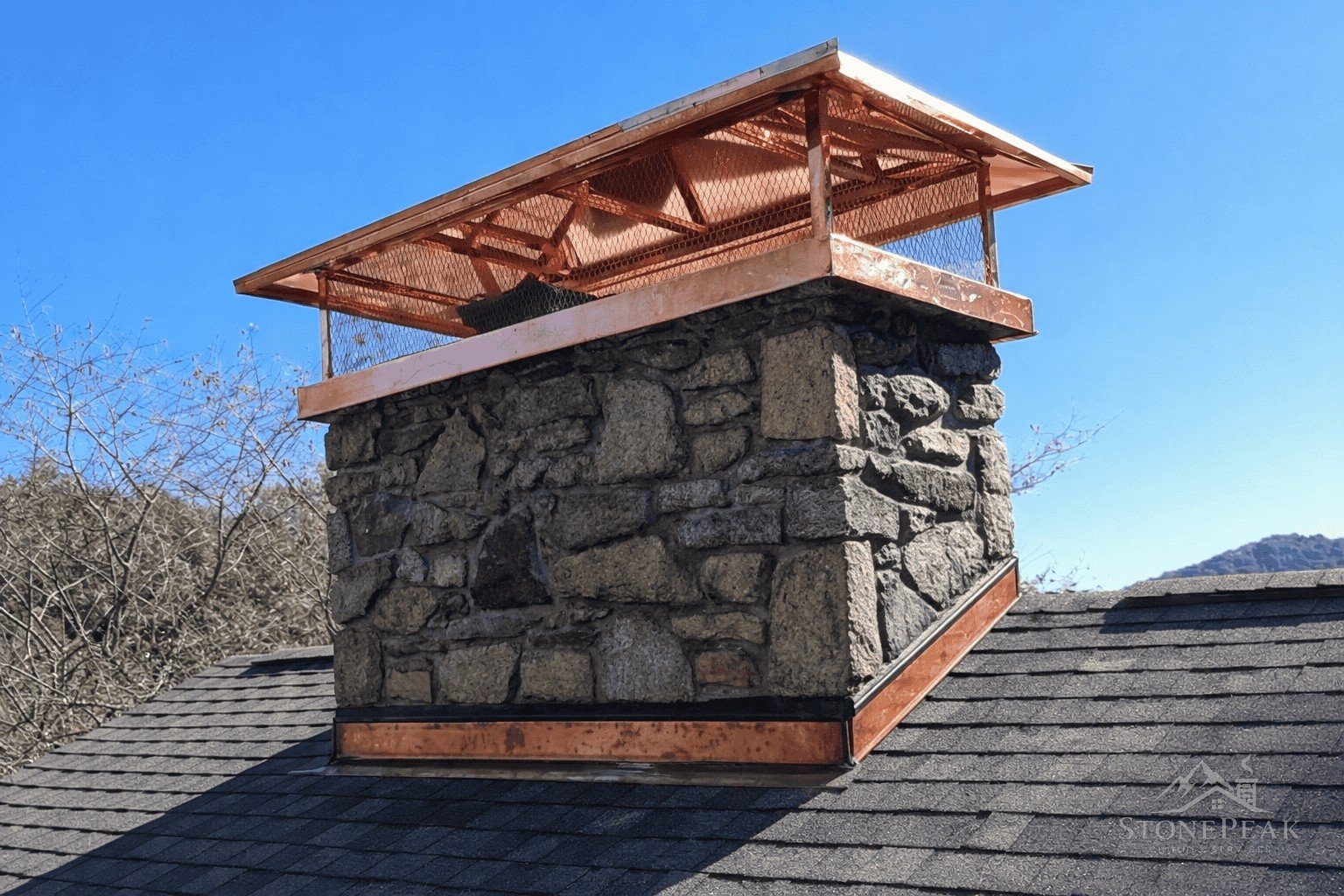
Masonry is porous, which means it naturally absorbs water, and in a New Jersey climate, that absorbed water is what drives freeze-thaw cracking, spalling brick, and rusted dampers. Waterproofing doesn’t stop absorption entirely, but a good vapor-permeable sealant dramatically slows it down while still letting existing moisture escape.
We apply a breathable, water-repellent treatment to the exterior masonry and reseal the crown, usually the single biggest entry point for water on an older chimney. It’s one of the least expensive services we offer relative to the damage it prevents.
We check for existing water damage, efflorescence, or spalling before applying anything.
The masonry surface is cleaned so the sealant can bond properly.
A vapor-permeable, water-repellent treatment is applied to the exterior masonry and crown.
We let you know the expected lifespan and what would trigger reapplication.
Cost mainly scales with the surface area being treated and chimney height and accessibility. Chimneys with existing damage may need repair completed first so the sealant isn’t applied over a problem that’s still developing.
Waterproofing means painting the chimney.
FactThe sealant we use is clear or near-invisible — it doesn’t change the brick’s appearance.
Once it’s sealed, it’s sealed for good.
FactSun and weather exposure wear down the treatment over 5–10 years, so it does eventually need reapplication.
Not with the products we use — they’re vapor-permeable, so they block liquid water from entering while still letting existing moisture vapor escape outward.
Most treatments hold up for 5 to 10 years, depending on sun and weather exposure, before they need to be reapplied.
No — the sealant is clear or near-invisible and doesn’t change the appearance of the brick the way paint would.