
(973) 828-0041Free estimates
Schedule Service
Fast, thorough lint removal that lowers fire risk and helps your dryer run the way it should.
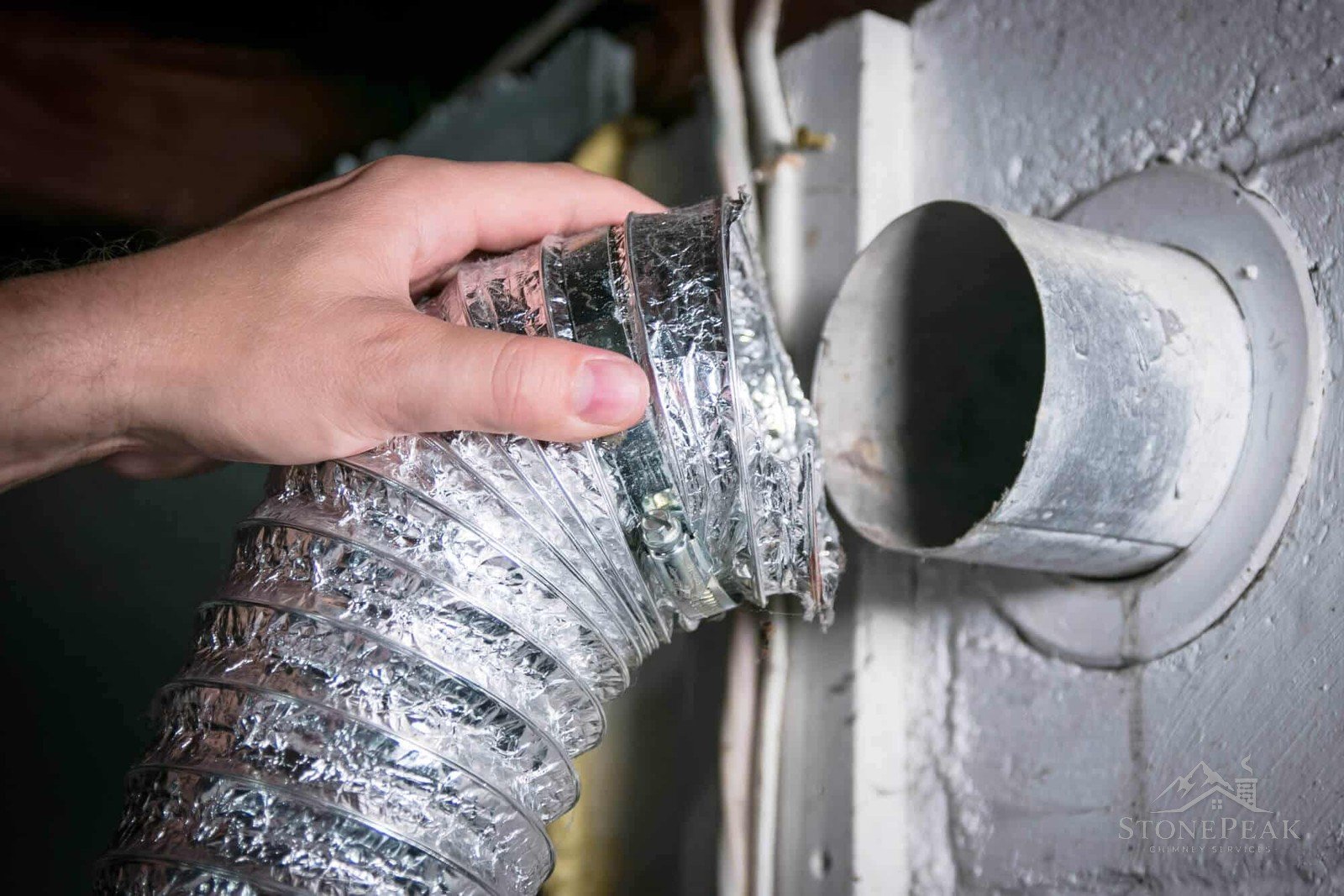
Lint buildup inside a dryer vent line is one of the most common, and most preventable, causes of house fires. It also just makes your dryer work harder: longer drying times, more heat, more wear, especially in homes where the vent run is long or has several bends.
We clear lint and debris from the full vent line, from the dryer connection to the exterior termination point, and check that the exterior vent cap and flap are functioning properly. Most visits take well under an hour.
The dryer is pulled out and the vent connection checked for damage or disconnection.
Lint and debris are cleared from the full run, from the dryer to the exterior termination.
The exterior vent cap and flap are checked to confirm they open and close properly.
The dryer is reconnected and run briefly to confirm proper airflow.
Pricing mainly depends on vent length and how many bends the line has — a short, straight run costs less to clear than a long run with several turns or a roof termination.
The lint trap catches everything.
FactThe trap catches most lint, but a meaningful amount still travels into the vent line over time and gradually compacts.
A newer dryer doesn’t need vent cleaning.
FactVent cleaning is about the duct, not the appliance — even a brand-new dryer needs a clear vent line to work safely and efficiently.
Longer drying times, a dryer that runs hotter than usual, a burning smell, or visible lint around the exterior vent cap are all signs it’s time.
Once a year is a reasonable default for most households; more often if you have a long or bent vent run, or do a lot of laundry.
Yes — compacted lint is highly flammable and a blocked vent causes heat to build up inside the line. It’s a quick, inexpensive service relative to the risk it addresses.